Foreword: As an independent website entrepreneur with 9 years of Google SEO experience, I've witnessed countless websites grow from zero traffic to millions of monthly visits through quality SEO content. This guide will share my proven SEO writing methodologies without reservation, helping you master effective SEO content creation while avoiding common pitfalls.
Table of Contents

Core SEO Content Writing Strategy Framework
1. Why Does SEO Require Blog Content?
Many independent website owners ask me: "Why can't we just rely on product pages for Google traffic? Why invest so much time in blog content?" The answer is straightforward—blog articles are the most effective way to attract traffic, build trust, and demonstrate expertise.
1.1 Writing for Precise User Personas
SEO Xiaoping categorizes SEO blog content into two types:
- Traffic-focused content: Targeting keywords with search volume
- Conversion-focused content: Targeting low-volume but high-converting keywords
Traffic-focused articles: We use tools like Semrush to research high-volume keywords and create content that can rank in search engines. These articles aim to attract new visitors and expand brand awareness.
Conversion-focused articles: Content created around real customer feedback and concerns, addressing doubts during the decision-making process. While these articles may have lower search volume, they significantly improve conversion rates.
💡 Real Case Study
I once wrote an article titled "How to Choose the Right Industrial Cleaning Equipment" for a B2B machinery company. Although this keyword only had 100+ monthly searches, the article achieved a 15% inquiry conversion rate, far exceeding industry averages.
1.2 From a Search Engine Algorithm Perspective
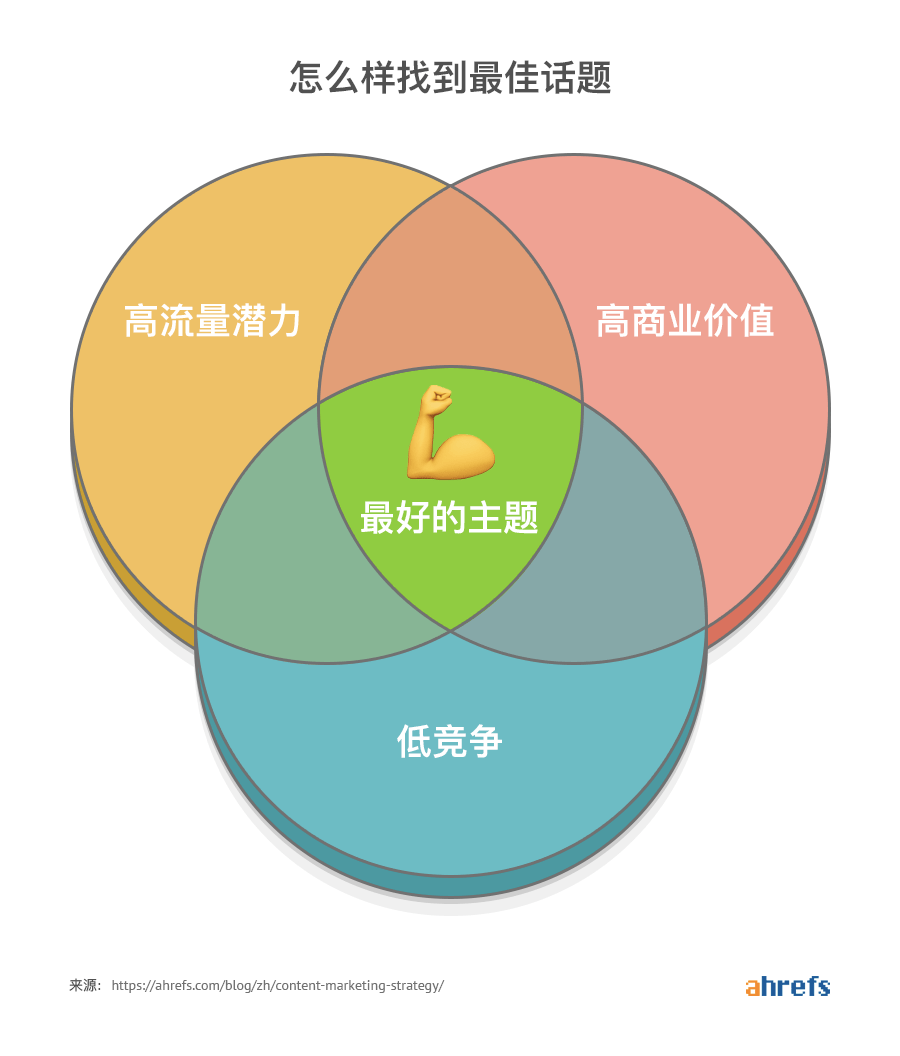
Complete Blog Content Strategy Process
Blog writing enhances website topical relevance, which is crucial for SEO rankings:
- Forward Index Optimization: Through relevant content volume, search engines clearly understand your industry focus
- Inverted Index Principles: Search engines establish topical authority through keyword distribution and semantic analysis
- Knowledge Graph Construction: Supporting search engines' evolution from keyword segmentation to semantic understanding, forming complete industry knowledge graphs
💡 SEO Xiaoping's Insight
Product pages alone often lack sufficient content depth and breadth to rank for competitive keywords. Blog articles provide rich contextual information, helping search engines better understand website themes.
1.3 Building Customer Trust & Demonstrating Industry Expertise
Those of us with deep industry experience understand what potential customers need. Through blog content, we can:
- Showcase professional knowledge and industry insights
- Address common customer questions and concerns
- Share success stories and practical experience
- Establish brand authority and credibility
2. How to Write Effective SEO Blog Articles?
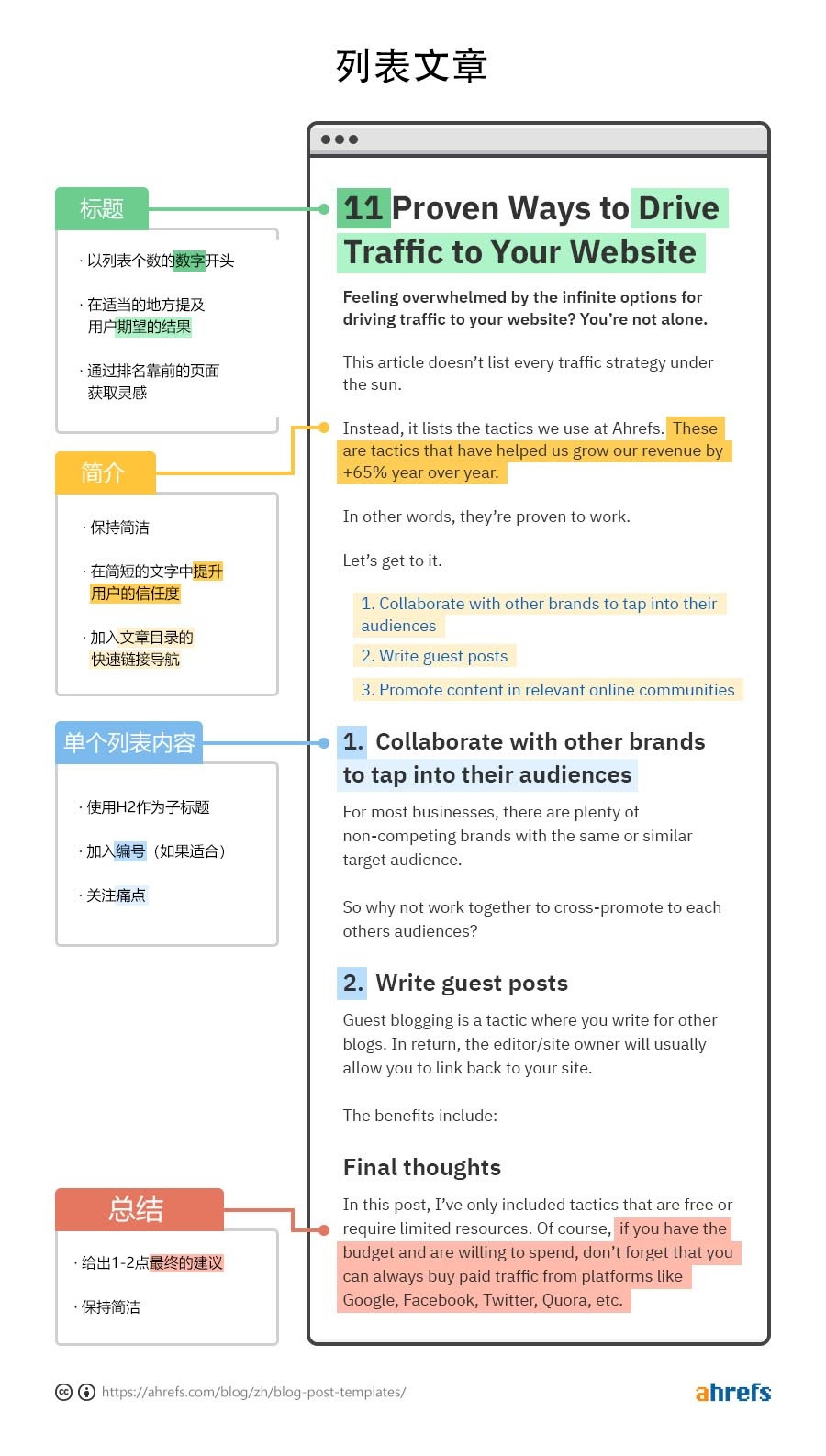
9 Key Steps for Efficient Blog Writing
2.1 Keyword Research & Topic Planning
Great SEO articles begin with precise keyword research. Here's my keyword research workflow:
Step 1: Core Keyword Identification
Using tools like Semrush and Ahrefs, identify business-relevant core keywords. Focus on:
- Moderate search volume (100-10,000 monthly searches)
- Manageable competition difficulty (KD<50)
- Clear commercial intent
Step 2: Long-tail Keyword Discovery
Around core keywords, discover related long-tail opportunities:
- Question-based keywords (how to, what is, why)
- Comparison keywords (vs, compared to, alternative)
- Location-based keywords (in USA, for American market)
Step 3: Search Intent Analysis
Analyze users' true intent when searching these keywords:
- Informational: Seeking knowledge and information
- Navigational: Looking for specific websites or brands
- Commercial: Comparing products or services
- Transactional: Ready to make purchase decisions
2.2 Content Structure & Writing Techniques
Standard Structure for Excellent SEO Articles:
� Compelling Headlines
- Include core keywords naturally
- Keep within 50-60 characters
- Create appeal and click-worthy interest
- Match user search patterns
📖 Clear Opening Introduction
- Address user questions directly
- Include core keywords naturally
- Preview main article content
- Keep within 150-200 words
🗂�Detailed Table of Contents
- Use H2, H3 tags to build hierarchy
- Each section has clear themes
- Enable quick information location
- Help search engines understand content structure
💡 Rich Content Formats
- Text explanations + supporting images
- Case studies + data backing
- Step-by-step guides + tool recommendations
- Key summaries + actionable advice
2.3 Content Depth & User Value
Google increasingly prioritizes content depth and user value. Here are my content quality standards:
�SEO Content Quality Checklist
Content Depth
- â–?Cover all aspects of the topic
- â–?Provide unique perspectives and insights
- â–?Include real cases and data
User Value
- â–?Solve real user problems
- â–?Provide actionable recommendations
- â–?Ensure accuracy and timeliness
- â–?Use clear, accessible language
SEO Technical Requirements
- â–?Keyword density 1-3%
- â–?Use related LSI keywords
- â–?Implement strategic internal linking
- â–?Include Alt tags for all images
3. Seemingly Productive Yet Harmful SEO Writing Practices
⚠� Common SEO Writing Mistakes
Many invest significant time and effort in SEO writing but see minimal results, or worse, counterproductive outcomes. Here are the most common harmful writing practices I've identified:
3.1 The Keyword Stuffing Trap
�Wrong Example
"SEO optimization is the best SEO optimization method. Our SEO optimization services provide professional SEO optimization strategies to help you achieve optimal SEO optimization results. Our SEO optimization team has extensive SEO optimization experience..."
�Correct Example
"Search engine optimization (SEO) is an effective strategy for improving organic website rankings. Our professional team uses keyword research, content optimization, and technical improvements to help clients achieve better visibility and traffic conversion in Google search results."
Why keyword stuffing is harmful:
- Google's algorithm can identify and penalize keyword stuffing
- Severely impacts user reading experience
- Reduces content professionalism and credibility
- May result in search engine penalties
3.2 Insufficient Content Depth
Many believe longer articles automatically rank better, but content depth matters more than word count:
| Shallow Content | Deep Content |
|---|---|
| Generic discussions, lacks details | In-depth analysis with specific methods |
| Rehashes existing online content | Shares unique insights and experience |
| Theory-heavy, lacks practical application | Combines cases with actionable guidance |
| Outdated or inaccurate information | Timely updates with accurate data |
3.3 Ignoring User Intent
User Search Intent Analysis for "How to Choose CRM Software":
�Wrong Understanding
Assuming users want to learn CRM definitions and features, writing an article about basic CRM concepts.
�Correct Understanding
Users already know what CRM is. They need selection criteria, comparison methods, implementation advice and other practical information.
3.4 Lack of Internal Linking Strategy
Many publish articles without considering connections to other website content. A proper internal linking strategy should:
- Relevant linking: Link to related topic articles
- Authority transfer: Link from high-authority pages to new articles
- User guidance: Guide users to explore related topics
- Site architecture: Build clear information structure
3.5 Poor Image SEO Optimization
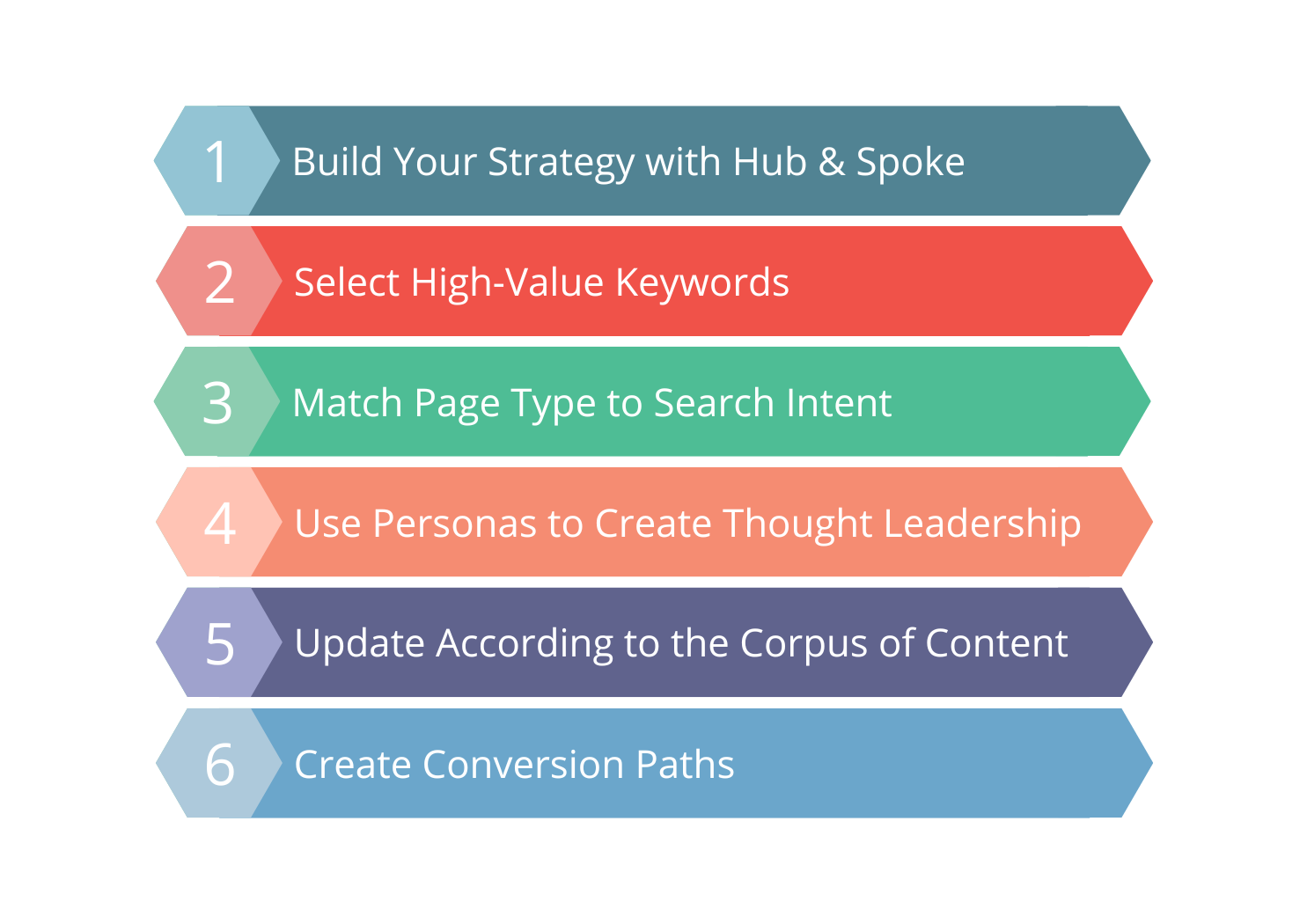
SEO Content Optimization Best Practices
Images are crucial components of SEO articles, but many make optimization mistakes:
Image SEO Optimization Essentials:
- Filename optimization: Use descriptive filenames with keywords
- Alt tags: Add accurate Alt descriptions for every image
- Image compression: Optimize file sizes for faster loading
- Size adaptation: Use responsive design for different devices
- Structured data: Add structured markup for important images
4. SEO Writing Strategies for the AI Era
With the proliferation of AI tools like ChatGPT and Claude, SEO writing faces new opportunities and challenges. As a hands-on SEO expert, I believe AI-era SEO writing requires strategic rethinking.
4.1 Proper AI Tool Usage
�Recommended Approaches
- Inspiration brainstorming: Use AI for idea generation and writing inspiration
- Outline creation: Generate article structure and table of contents
- Draft assistance: AI-generated first drafts with extensive human editing
- Language polishing: Improve expression and language flow
- Data research: Help organize and analyze relevant data
�Practices to Avoid
- Complete dependence: Publishing AI-generated content directly
- Lack of verification: Not checking AI information accuracy
- Cookie-cutter approach: Using identical AI prompts for content generation
- Missing personality: Lacking personal viewpoints and unique insights
- Mass production: Generating large volumes of low-quality AI content
4.2 Irreplaceable Human Value
Despite AI capabilities, these aspects still require human involvement:
- Practical experience: AI cannot provide real industry practice experience
- Emotional resonance: Human expression creates stronger reader connections
- Innovative thinking: Unique perspectives and innovative insights
- Timeliness: Sensitivity to latest industry developments
- Brand personality: Content style matching brand tone
4.3 Optimizing Content for AI Search
With Google SGE (Search Generative Experience) and other AI search features launching, we need to adjust SEO strategies:
AI Era SEO Optimization Points:
1. Structured Content Presentation
- Use clear heading hierarchy (H1-H6)
- Organize content in Q&A format
- Add comprehensive FAQ sections
- Use lists and tables for information organization
2. Authority Signal Enhancement
- Cite reliable data sources and research
- Showcase author professional background
- Gain industry expert recognition
- Build brand authority
3. Entity and Relationship Optimization
- Clearly mention relevant entities (people, places, organizations)
- Establish connections between topics
- Use semantically related vocabulary
- Build comprehensive knowledge graphs
5. Practical Techniques & Tool Recommendations
5.1 My SEO Writing Workflow
Keyword Research
Use Semrush to analyze keyword difficulty and search intent, selecting appropriate target keywords.
Competitor Analysis
Analyze top 10 ranking competitors' content to identify content gaps and improvement opportunities.
Content Outline Creation
Develop detailed article outline ensuring coverage of all user concerns.
Content Creation
Write based on outline, incorporating personal experience and unique insights.
SEO Optimization
Optimize title, meta description, internal links, image alt text, and other SEO elements.
Quality Review
Check grammar, factual accuracy, user experience, and all aspects.
5.2 Essential Tool Recommendations
� Keyword Research Tools
- Semrush: Comprehensive SEO tool with accurate keyword difficulty analysis
- Ahrefs: Powerful backlink and keyword database
- Google Keyword Planner: Free official Google tool
- Answer The Public: Discover related questions and long-tail keywords
�� Content Creation Tools
- ChatGPT/Claude: AI writing assistants for inspiration
- Grammarly: Grammar checking and expression optimization
- Hemingway Editor: Improve article readability
- Canva: Create supporting images and infographics
📊 SEO Analysis Tools
- Google Search Console: Monitor search performance
- Screaming Frog: Website technical SEO analysis
- PageSpeed Insights: Page speed optimization
- Yoast SEO: WordPress SEO plugin
📈 Performance Monitoring Tools
- Google Analytics: Traffic and user behavior analysis
- Hotjar: User heatmaps and session recordings
- Rank Tracker: Keyword ranking monitoring
- Search Console: Search query and click data
5.3 Content Publishing & Promotion Strategy
After creating great content, effective publishing and promotion strategies are essential:
📋 Content Promotion Checklist
Technical Optimization
- â–?Set appropriate URL structure
- â–?Add structured data markup
- â–?Optimize page loading speed
- â–?Ensure mobile responsiveness
- â–?Set up internal and external links
Social Promotion
- â–?Share on social media platforms
- â–?Join relevant industry group discussions
- â–?Send to email subscribers
- â–?Contact industry influencers
- â–?Participate in relevant forum discussions
Continuous Optimization
- â–?Monitor keyword ranking changes
- â–?Analyze user behavior data
- â–?Update content based on feedback
- â–?Add new relevant information
- â–?Establish content update schedule
6. Key Takeaways & Action Plan
💡 Core Points Summary
🎯 Clear Objectives
Distinguish between traffic-focused and conversion-focused content, developing different writing strategies.
� Deep Research
Thoroughly understand user search intent and provide valuable solutions.
� Quality First
Focus on content depth and uniqueness, avoid keyword stuffing and other pitfalls.
🤖 Embrace AI
Use AI tools wisely to improve efficiency while maintaining human value.
🚀 Immediate Action Plan
This Week's Actions
- Use Semrush to analyze 3-5 core keywords
- Research top 10 competitor content
- Develop next month's content publishing plan
Next Month's Goals
- Publish 2-4 high-quality SEO articles
- Establish content creation SOP process
- Monitor article SEO performance data
Long-term Planning
- Build comprehensive content matrix
- Cultivate brand authority
- Achieve stable traffic growth
🎉 Final Thoughts
SEO content writing isn't a skill mastered overnight—it requires continuous practice and optimization. It took me 9 years to develop this proven methodology. I hope this guide helps you avoid common pitfalls and master SEO writing essentials more quickly.
Remember: Great SEO articles must first be great articles. Only content that truly creates user value can achieve long-term success in search engines.